A 10-yard bin holds roughly 4 pickup-truck loads and suits a single-bathroom gut or a small deck tear-down; a 20-yard holds about 8 loads and fits most kitchen remodels; a 30-yard and 40-yard carry whole-house demos,…
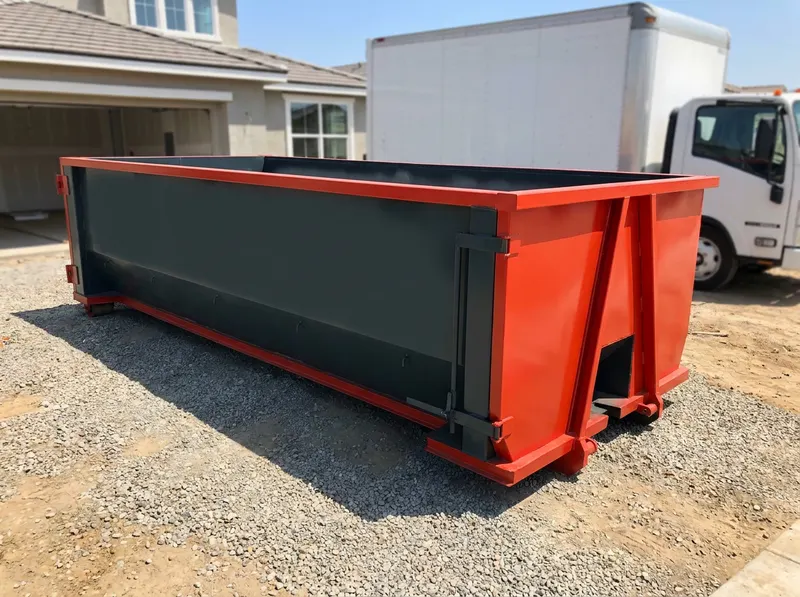
A 10-yard bin holds roughly 4 pickup-truck loads and suits a single-bathroom gut or a small deck tear-down; a 20-yard holds about 8 loads and fits most kitchen remodels; a 30-yard and 40-yard carry whole-house demos, re-roofs, and framing-out on new builds. The trade-off is driveway footprint versus debris volume, a 40-yard roll-off measures about 22 feet long and needs clear overhead space, while a 10-yard tucks onto a tight North Park or Hillcrest lot without blocking the garage. Heavy, dense loads like concrete, brick, and tile pack a lot of weight into little space, so a smaller box often makes more sense for a demo slab than for bulky but light framing waste.
Here is how a C&D rental runs.
Step 1, you tell our team the debris type and the job address, a Scripps Ranch addition reads differently than a Point Loma roof tear-off. Step 2, we confirm the size and the flat price before anything moves. Step 3, the roll-off is delivered and set where you point, driveway or street.
Step 4, your crew loads at its own pace over the rental window. Step 5, we haul it to a permitted transfer or recycling facility and the quoted price covers disposal. A dumpster rental is not junk removal, your crew loads the bin; we deliver, haul, and dispose.
Permit note worth checking before the drop: a bin on your own driveway in La Jolla, Clairemont, or Carmel Valley needs no permit, but placing a roll-off in the public right-of-way or a parking lane generally requires an encroachment permit from the City of San Diego, and historic or coastal streets near Pacific Beach can carry extra rules.
California's CALGreen building code requires most construction and demolition projects to divert at least 65% of C&D debris from landfill, so sorting recyclable wood, metal, and concrete matters on permitted remodels; Earth911 maps local recycling drop points for overflow materials.
Keeping the jobsite clear also keeps it safe, OSHA construction standards treat debris pileup and nail-studded lumber as housekeeping hazards, and a staged roll-off gives crews a single spot for offcuts. Loads must stay level with the top rail: overfilled or protruding debris can't be legally hauled on California roads, a point the California Highway Patrol enforces on commercial loads. For debris that falls outside the C&D category, paint, solvents, adhesives, or anything flagged as household hazardous waste by the EPA, those items are excluded and route through the county program described by San Diego County Public Works.
Treated lumber and demolition dust fall under California DTSC handling rules, and roofing or siding on pre-1980 structures should be checked for asbestos per CDPH guidance before any tear-off begins. Industry bin sizing follows the general standards tracked by the National Waste & Recycling Association.
Every job gets a firm, written price after an on-site visit.
Tell us about your construction & c&d dumpster rental job in San Diego and we'll send a clear, written quote, usually the same day.
 Rollout Dumpster Rental